Warmer homes in Northern Labrador are NEER
The winter winds gather force as they cross a rugged landscape shaped by cold and time. They move along exposed bedrock, over rolling hills and low mountains, and through fjords carved into the coastline.
Once the winds reach Nunatsiavut, which means “Our Beautiful Land” in Inuktitut, temperatures in the minus 20s become piercing temperatures in the minus 40s with the wind chill. In these conditions, staying warm outdoors requires insulated, windproof clothing.
Indoors, homes and buildings in this Inuit self-governed region within northern Labrador also rely on effective insulation, air-sealing, and heating to retain warmth.
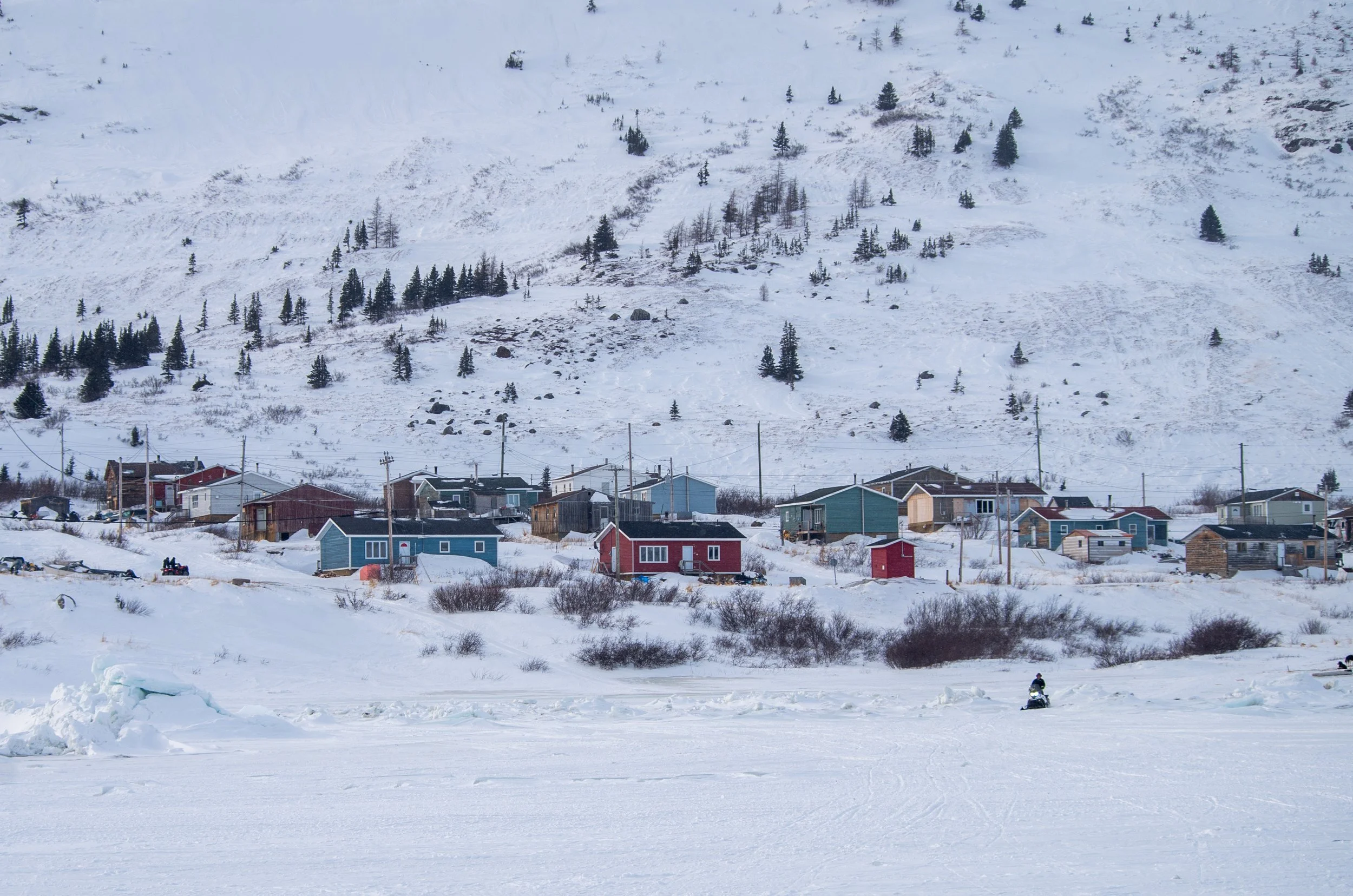
But much of the local housing stock dates back decades and was not designed for a sub-arctic climate. Some homes were hastily built during the mid-20th century, a period marked by the well-documented relocation of Inuit families from Hebron and Nutak to larger coastal communities. Today, residents live with the long-term impacts of aging infrastructure.
A house is a structure – a home is warm
Common housing challenges include inadequate insulation, leaky air sealing, and poor ventilation systems – issues that can contribute to moisture and mould, affecting indoor air quality and comfort.
Temperatures remain well below freezing for extended periods in Nunatsiavut. Poorly insulated homes lose heat quickly, leading to higher fuel consumption and uncomfortable indoor conditions. Heating system failures can be dangerous.
“My heating and electricity bills were over $8,000 a year,” says Richard Pamak, from his home in Nain, the administrative capital of Nunatsiavut. “I have a wood stove to reduce the costs, but when the fire dies out, maybe four in the morning, it can be shockingly cold. I had to do something.”
The five main communities of Nunatsiavut – Nain, Hopedale, Postville, Makkovik, and Rigolet – are scattered along the northeast coast of Labrador and not connected to the provincial power grid. Each community operates as an isolated ‘microgrid’ providing its own heat and power.
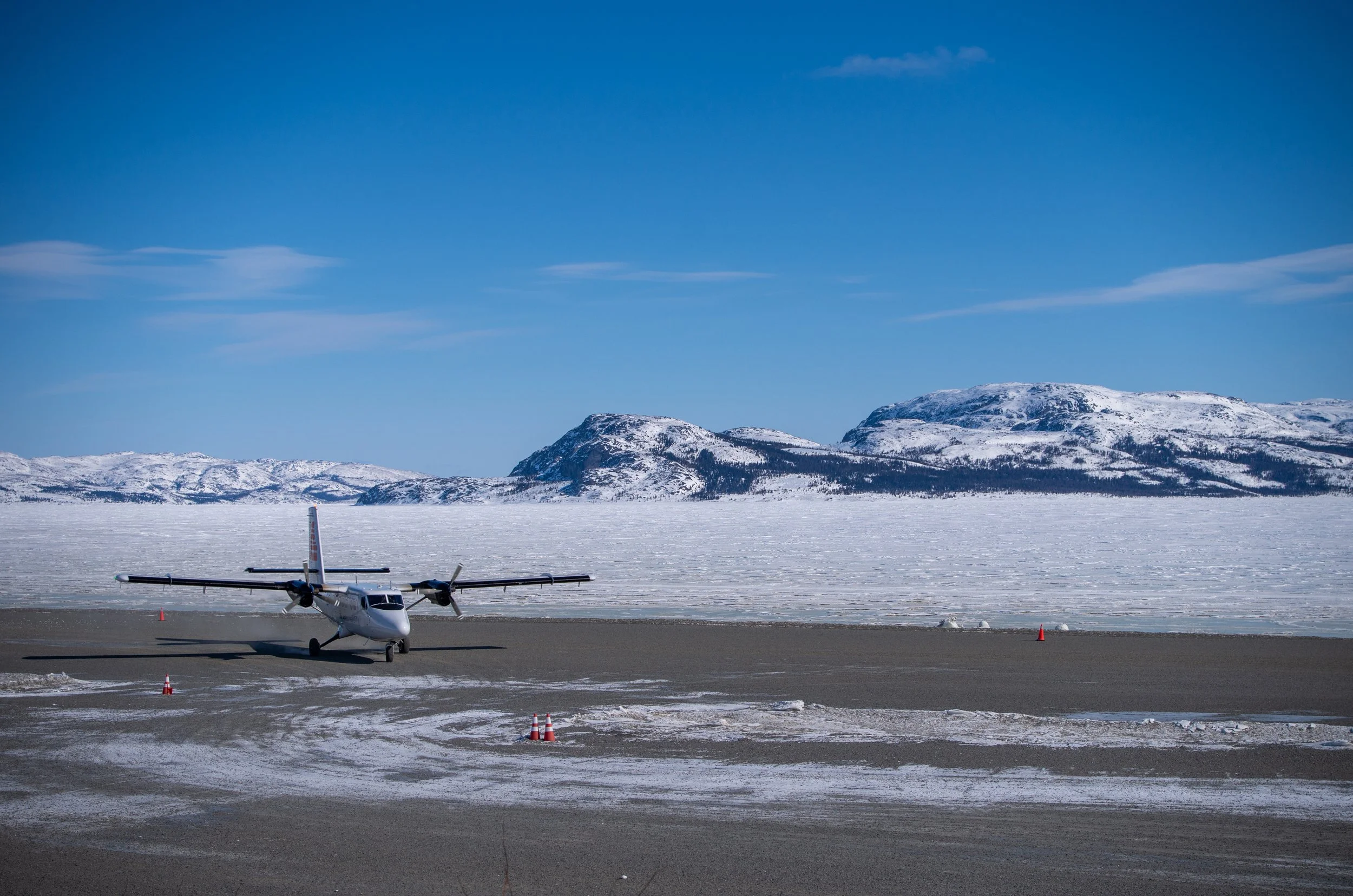
Local generating stations operated by Newfoundland & Labrador Hydro burn diesel to produce electricity for homes and community buildings. Since there are no road connections to the rest of the province, fuel must be delivered by ship during the ice-free season and stored in large tanks for year-round use.
For heating during the long, cold winters, most homes rely on oil-fired furnaces and this heating oil is also delivered by sea. While electric heat is used, it’s less common as it is extremely expensive and puts more pressure on the local diesel-generated electricity grid.
Transporting diesel and heating oil to remote coastal communities is costly. Even with government subsidies, energy prices are very high.
Many households supplement oil heat with wood stoves, but firewood supply can be limited by the sparse tree cover. Stunted black spruce and tamarack trees grow in sheltered valleys, forming patchy forests known as taiga. In winter, homeowners might travel considerable distances over sea ice or frozen ponds and lakes by snowmobile, pulling a qamutiik (sled), to cut their firewood.
A more comfortable home is NEER
That’s why the Nunatsiavut Government (NG) partners on energy-efficiency initiatives such as Newfoundland & Labrador Hydro’s Isolated Communities Energy Efficiency Program. NG has also piloted home upgrades including such as high-efficiency wood stoves and smart hot-water heater controllers.
Historically, many programs focused on electrically heated homes to target GHG emissions from diesel‑generated electricity. However, this left residents who use oil or mixed heating systems without access to support. Rebate programs requiring upfront costs also posed barriers for households wishing to improve their homes.
“We wanted to create a program that looked at the whole house,” says Jamie Hewlett, Regional Energy Manager for NG. “What makes sense for that home – regardless of how it’s heated.”
“I want people to feel the difference of a warm home, and I want them to see the difference in their bills.”
In 2025, the Nunatsiavut Energy Efficiency Retrofit (NEER) program launched as a consolidated, one‑stop, ‘something for almost everyone’ program for eligible beneficiaries under the Labrador Inuit Land Claims Agreement. Inuit‑owned businesses also qualify, recognizing that commercial buildings account for a significant share of local energy use.
NEER provides free energy audits and funding for eligible efficiency upgrades, with support from Natural Resources Canada.
That’s how Richard Pamak, with the $8,000 in bills, received a new heat pump for his house in Nain. “My bills have started to come down,” he says. “I won’t know the full amount until we go through a few winters, but the house already feels more comfortable. I also can’t wait to try the air conditioning side of my heat pump in the summer.”
Partners in efficiency
The energy you don’t use is the cleanest form of energy, so efficiency is a foundational element of Nunatsiavut’s energy future. The local government needed a strategic partner to help turn aspirations into practicalities at the community level, where the tire hits the road – or in this case, the snowmobile track hits the snow.
“I have a vision of what I want to do, but there’s only so much time and capacity available to make it happen,” says NG’s Hewlett. The government is working with CLEAResult Canada, which has been active in energy efficiency in Labrador since 2020. The energy efficiency company is helping the NEER program by finding experienced contractors such as Greenfoot Energy Solutions, offering strategic advice, and solving logistical challenges common in Northern communities.
“CLEAResult helps me steer the ship,” says Hewlett. “We meet every week, and we’ve become a team that wants to solve problems.”
A cleaner climate is also NEER
The Nunatsiavut Government is committed to reducing energy costs for its citizens, and to reducing its carbon footprint for a healthier climate. The NEER program offers:
Free, professional home energy assessments regardless of heat source and income. Based on the results, homeowners may qualify for no-cost energy efficiency upgrades.
Energy efficiency measures such as cold climate heat pumps, insulation, windows, and doors. These are free for low-income residents and include a co-pay option for middle and higher-income residents. Depending on income, homeowners can receive up to $20,000 in free upgrades.
Once enrolled in the program, a free, professional home energy audit is performed by a Certified Energy Advisor. They measure insulation levels, determine the air-tightness of the home using a blower door test, and analyze the heating system, existing lighting, water heating, and other appliances.
A detailed audit report highlights the top energy upgrade opportunities and makes tailored retrofit recommendations. Since Nunatsiavut’s electricity is diesel-based, fuel switching from furnace oil to electric heat is not necessarily an effective strategy for reducing GHG emissions. But adding a heat pump to a home with electric baseboard can make sense – and cents. A post-retrofit energy audit is conducted to make sure that the measures are living up to the estimated energy savings.
Jim Anderson, a resident of Makkovik, is another participant in the NEER program whose home is heated by a combination of heat pump, electric baseboard, and wood furnace. He had spray foam blown into the crawl space, insulation added to the attic, and air sealing around the doors. “The house is definitely warmer,” Anderson says, “and less drafty. And this work was free!”
“The guys who did the work were really good guys. I even invited them to stay for dinner.”
Energized by early success
To date, about 25 homes across the five communities have participated in NEER’s initial phase. Residents report improved comfort and reduced drafts, with early indications of energy savings.
“NG is keen to do good for their members and is open to new ideas,” says Aaron Taylor, CLEAResult Canada’s Senior Program Manager for Indigenous & Remote Communities. “They want to explore new technologies and try things that haven't been done in this region. And when we get into the community, we're finding the people are extremely welcoming, helpful, and friendly. It's been a great experience.”
Delivering retrofits in Nunatsiavut requires careful planning. Supplies are shipped by ferry – air is used only if needed due to expense – and installations must be completed within the heating season. Extreme weather affects equipment performance; for example, heat pump intakes can be blocked by hard-packed snow or ice.
Despite these challenges, NEER demonstrates how energy efficiency can improve resilience, comfort, and affordability in some of Canada’s most demanding climates.
“The climate is obviously a challenge, and logistics are a major factor because the materials, contractors, and travel all need to be carefully thought out in advance,” says Michael MacKay, Program Manager in CLEAResult Canada’s Indigenous & Remote Communities team. “It needs to be done right the first time, because you don't have the option to just swing by and pick up on a half-finished project.”
Nunatsiavut’s energy system has been shaped by isolation and dependence on expensive imported fuels. Energy efficiency will continue to be not just an environmental goal, but a practical necessity for one of Canada’s most challenging climates — and unique places.
“It’s been so meaningful to see the impact this work is having,” adds MacKay, “and how it’s helping build energy sovereignty in Nunatsiavut.”
- Published in CLEAResult’s blog
< Back to Writings